Beyond Salt & Pepper: Unlocking the Magic of Spices in Your Kitchen
Ever stared at your spice rack, a colorful array of jars, and wondered how to make your home-cooked meals truly sing? Or perhaps you’ve followed a recipe to the letter, only for your dish to lack that elusive “oomph” you get from restaurant food?
You’re not alone. Many of us use spices out of habit or as directed, but rarely do we understand the *magic* behind them. What if I told you that mastering spices isn’t about being a gourmet chef, but simply understanding a few fundamental principles? Get ready to transform your cooking!
—
# The Secret Ingredient Isn’t Magic – It’s Understandi
Spices aren’t just an afterthought; they are the architects of aroma, the builders of body, and the painters of palate. They transform simple ingredients into complex, unforgettable meals. But what exactly *are* they, and how do you use them effectively?
What Are Spices, Really?
Simply put, spices are the dried parts of plants – roots, barks, seeds, fruits, or flowers – that are used primarily for flavoring, coloring, or preserving food. Unlike herbs (which typically refer to the leafy parts), spices are concentrated powerhouses of flavor.
—
# The “Why”: More Than Just Adding “Flavo
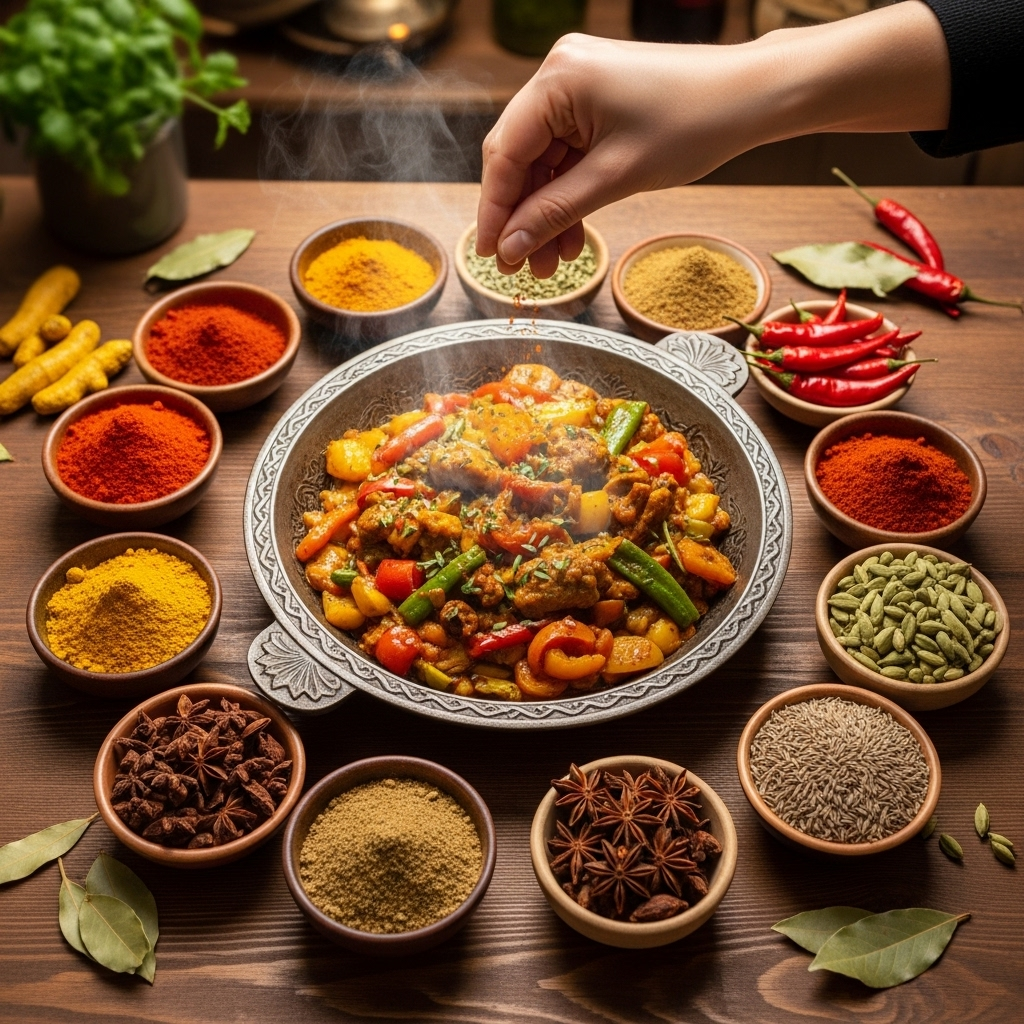
The biggest revelation for most home cooks is realizing that spices don’t just add a generic “spicy” note. Each spice brings a unique *character* to a dish, contributing to a symphony of flavors:
• **Warm & Earthy:** Think cumin, coriander, turmeric. These create a grounding, often savory foundation, perfect for stews, curries, and roasted vegetables. They add depth rather than sharpness.
• **Pungent & Piquant:** Black pepper, chili flakes, ginger. These are your wake-up calls, adding heat, sharpness, or a delightful zing that brightens and stimulates the palate.
• **Aromatic & Sweet:** Cinnamon, cloves, nutmeg, cardamom. Often associated with baking, these spices can also lend incredible complexity to savory dishes like tagines, slow-cooked meats, and even soups.
• **Citrusy & Bright:** Sumac, sometimes coriander seed (with its citrusy notes), or even dried lemon peel. These can cut through richness and add a refreshing lift, preventing dishes from feeling heavy.
Understanding these broad categories helps you make educated guesses when experimenting, or when a recipe calls for a spice you don’t have.
—
# Your Essential Spice Toolkit: Simple Techniques for Big Flav
Ready to move beyond just shaking a jar? Here are the game-changing techniques you need to know:
1. **Toast Your Whole Spices (The #1 Game Changer!):**
* **Why:** Dry-toasting whole spices (like cumin seeds, coriander seeds, or even peppercorns) in a dry pan over medium heat until fragrant awakens their essential oils, deepening their flavor and aroma significantly.
* **How:** Heat a skillet, add whole spices, and shake or stir frequently for 1-3 minutes until aromatic. Let them cool, then grind them fresh. Your kitchen will smell amazing!
2. **Whole vs. Ground: Know the Difference:**
* **Whole Spices:** Ideal for slow-cooked dishes (like stews, braises, or pickling) where they have time to infuse their flavor. They also last longer.
* **Ground Spices:** Offer immediate, intense flavor. Perfect for quick cooking, marinades, rubs, or when you need the flavor to be evenly dispersed (like in a batter). Always buy in small quantities as they lose potency faster.
3. **Layer for Depth:**
* **Early Addition:** Add warm, earthy spices (cumin, coriander, turmeric) to hot oil or butter at the beginning of cooking. This “blooming” process extracts their fat-soluble flavors and forms the base of your dish.
* **Mid-Way:** Add more delicate spices or those you want to highlight after the initial bloomed spices, allowing them to infuse without burning.
* **Late Addition/Garnish:** Freshly ground pepper, a sprinkle of paprika, or a pinch of fresh herbs added towards the end or as a garnish preserves their bright, volatile aromas.
4. **Taste as You Go:** This is the golden rule. Start with a smaller amount than you think you need, especially with potent spices. You can always add more, but you can’t take it away!
5. **Store Smart, Stay Fresh:**
* **Enemy #1: Light.** Keep spices in opaque containers.
* **Enemy #2: Air.** Ensure lids are tightly sealed.
* **Enemy #3: Heat.** Store away from the stove or direct sunlight.
* **Lifespan:** Whole spices generally last 2-4 years; ground spices 1-2 years. If they’ve lost their aroma, they’ve lost their flavor.
—
# Your Kitchen Awaits Its Transformatio
Cooking with spices isn’t about memorizing a thousand recipes; it’s about understanding the language of flavor. By incorporating these simple principles, you’ll start to intuit which spices will elevate your dishes, moving beyond rote instructions to true culinary creativity.
So, next time you cook, open that spice jar. Take a deep breath. Toast those whole seeds. And watch as your meals go from “good” to “unforgettable.” Your palate (and your dinner guests) will thank you!
—
Found these tips helpful? Want to dive deeper into specific spices, flavor pairings, and more kitchen secrets? Hit that follow button and join our growing community of adventurous home cooks!