The Secret Ingredient Isn’t on the List: Unearthing the Stories in Traditional Recipes
Do you ever take a bite of something and feel a sudden, inexplicable rush of memory? A flicker of a grandmother’s kitchen, the scent of a long-lost celebration, or the comforting warmth of a dish from a childhood you barely remember?
That’s the magic of traditional recipes. They’re more than just a list of ingredients and instructions; they are **culinary time capsules**, brimming with stories waiting to be told. They are whispers from the past, holding the history, resilience, and love of generations within their very essence.
We live in an age of instant gratification, where a new recipe is just a click away. But there’s a profound, almost spiritual richness in turning to the dishes that predate the internet – the ones passed down by word of mouth, scribbled on faded index cards, or simply held in the practiced hands of an elder.
Why These Culinary Time Capsules Matter (More Than You Think):
1. **They Connect You to Your Roots:** Every traditional dish carries the fingerprint of a culture, a family, a specific moment in time. Making your great-grandmother’s bread pudding isn’t just baking; it’s an act of remembrance, a tangible link to her life and legacy. You’re tasting history.
2. **They Teach Resilience and Resourcefulness:** Many traditional recipes arose from necessity. They teach us about making do, using what’s available, and transforming simple ingredients into something extraordinary. Think of hearty stews born from leaner times, or innovative preserves that stretched the harvest. This wisdom is invaluable.
3. **They Preserve Cultural Identity:** Food is a powerful storyteller. It reveals migration patterns, celebrations, daily rituals, and the unique flavors of a region. When we cook these dishes, we’re not just feeding ourselves; we’re actively participating in the preservation of our collective human story.
4. **They Foster Deeper Connections:** Imagine cooking a dish with an elder, learning the nuances of their technique, hearing the stories behind the recipe – “This is what we ate every Sunday after church,” or “This was Dad’s favorite.” These shared moments create indelible bonds and memories far richer than any store-bought meal.
Unearthing Your Own Culinary Heritage: How to Become a Recipe Detective
Ready to embark on your own delicious journey into the past? Here’s how to start building your own collection of storied recipes:
1. **Talk to Your Elders (Now!):** This is paramount. Sit down with parents, grandparents, aunts, uncles, or community elders. Ask them about their favorite childhood foods, special occasion dishes, and what they remember their own parents or grandparents making. Don’t just ask for the recipe – ask for the *story* behind it.
* *Tip:* Record the conversation (with permission!) – their voice will be another cherished part of the recipe’s legacy.
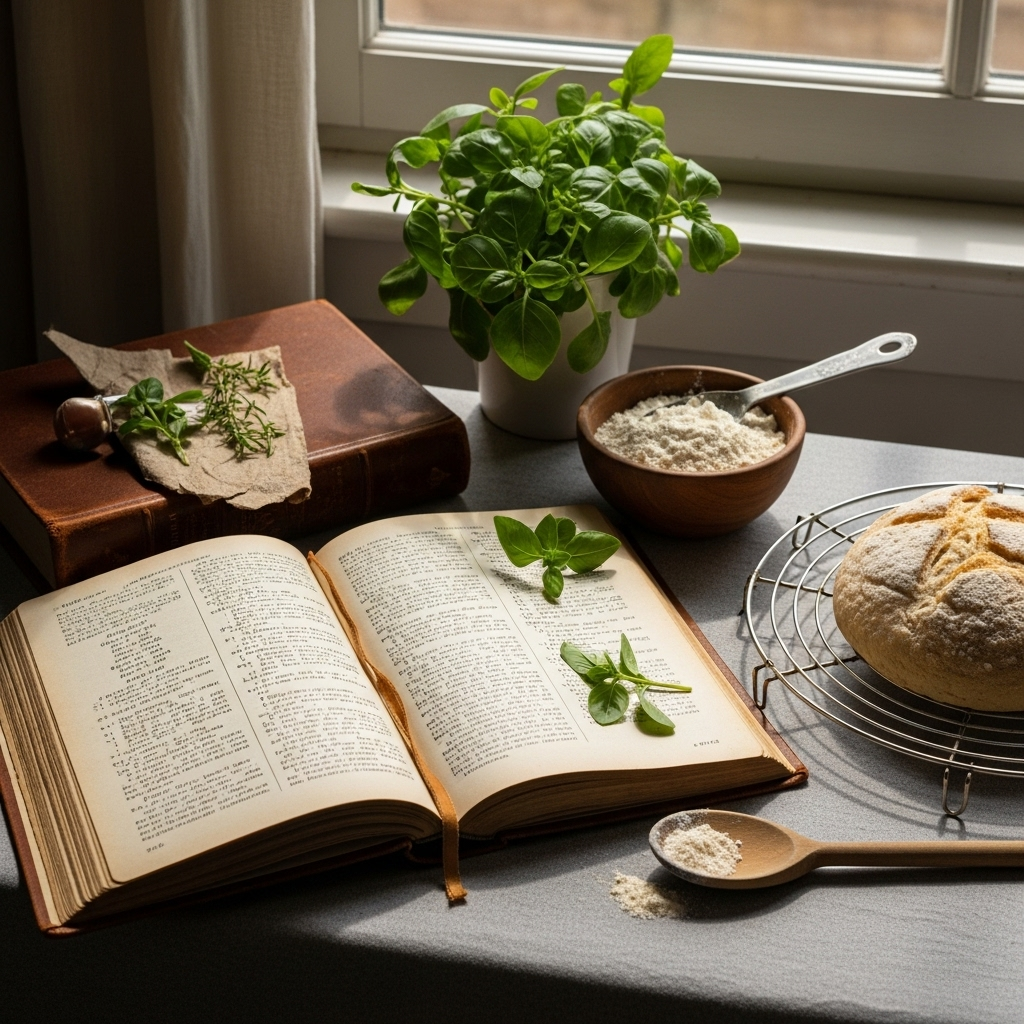
2. **Dig Through Old Cookbooks and Family Archives:** Look for handwritten recipes tucked inside old books, photo albums, or even loose papers in kitchen drawers. Often, these notes contain personal touches, obscure measurements, or little anecdotes that bring them to life.
3. **Don’t Be Afraid to Adapt (Sensibly):** Older recipes might use terms like “a lump of butter” or “cook until it feels right.” Embrace the learning curve! Use your best judgment, consult modern equivalents, and don’t be afraid to experiment. The goal isn’t necessarily perfect replication, but the spirit and flavor.
4. **Document Everything:** When you find or learn a traditional recipe, write it down! Note not just the ingredients and steps, but also:
* Who it came from.
* Any stories associated with it.
* Tips or tricks you learned while making it.
* What makes it special to you.
5. **Start Small, Savor Often:** You don’t need to tackle a multi-course feast right away. Pick one simple, beloved dish from your past and make it. Share it. Talk about its origins. Each time you do, you breathe new life into an old story.
The most delicious legacy you can leave isn’t a fortune, but a taste of where you came from.** So, next time you’re wondering what to cook, look beyond the trending recipes. Look to the pas
—
What’s *your* favorite traditional recipe with a story? Share it in the comments below! And if you want more tips on preserving culinary traditions and delicious recipes that tell a tale, be sure to hit that “Follow” button to join our journey into the heart of heritage cooking!