Beyond the Plate: Your Journey into the *Real* Soul of Italian Food
Close your eyes for a moment. What do you see? A steaming bowl of spaghetti carbonara? A perfectly blistered Neapolitan pizza? A creamy scoop of gelato?
You’re not wrong. These iconic dishes are delicious, beloved, and undeniably Italian. But what if I told you they’re just the opening act? What if the “Italian food” you think you know is merely the tip of a magnificent, flavor-packed iceberg, with centuries of regional diversity, ancient traditions, and incredible hidden gems waiting just beneath the surface?
Prepare to have your culinary horizons expanded. Because the true soul of Italian food isn’t just on your plate; it’s in the story of every ingredient, the hands that prepare it, and the shared joy around the table.
# The Myth of “Italian Food”: It’s 20 Regions, Not One Cuisi
Here’s the first, and perhaps most important, revelation: **there is no single “Italian food.”**
Italy, a relatively young nation, is a tapestry of 20 distinct regions, each with its own unique history, climate, local produce, and fiercely proud culinary traditions. Traveling through Italy is a gastronomic expedition across radically different “cuisines.”
• **Northern Italy (think Lombardy, Piedmont, Emilia-Romagna):** Rich, hearty, butter-based dishes. Think risottos, polenta, cured meats like Prosciutto di Parma, and luxurious fresh pasta like tagliatelle al ragù. The Alpine influence brings cheeses and robust flavors.
• **Central Italy (Tuscany, Lazio, Umbria):** Olive oil reigns supreme. Simplicity, quality ingredients, and strong, rustic flavors are key. Think Pecorino Romano, porchetta, ribollita (a Tuscan bread and vegetable soup), and the unparalleled pasta of Rome (Cacio e Pepe, Amatriciana, Carbonara).
• **Southern Italy (Sicily, Campania, Puglia):** Sunshine, sea, and spices. Expect vibrant seafood dishes, sun-ripened tomatoes, eggplants, chili peppers, and influences from Greek, Arab, and Spanish cultures. Think arancini, limoncello, and the birthplace of pizza.
Your Takeaway Value:** Next time you order Italian, don’t just ask for “pasta.” Ask *where* it’s from. A Roman trattoria won’t serve a rich Bolognese sauce; a Venetian restaurant will offer seafood risottos, not just plain spaghetti. Understanding the region unlocks a universe of authentic flavor
# The Art of Simplicity: Less is Truly Mo
One of the most profound secrets to Italian food’s enduring appeal lies in its unwavering commitment to simplicity. While American Italian often piles on the ingredients, authentic Italian cuisine focuses on a few, impeccably sourced components.
Take the humble **Cacio e Pepe**. Just Pecorino Romano cheese, black pepper, and pasta water. Yet, when done correctly, it’s a creamy, spicy, utterly addictive masterpiece. Or **Aglio e Olio**, a simple garlic and oil pasta.
Why does it work? Because:
1. **Quality Ingredients:** Italians are obsessed with the best olive oil, freshest vegetables, highest quality flour, and pasture-raised meats.
2. **Ingredient Heroism:** Each ingredient gets a chance to shine. It’s not about masking flavors, but highlighting them.
3. **Perfect Technique:** Years of tradition mean dishes are prepared with a precision that honors the ingredients.
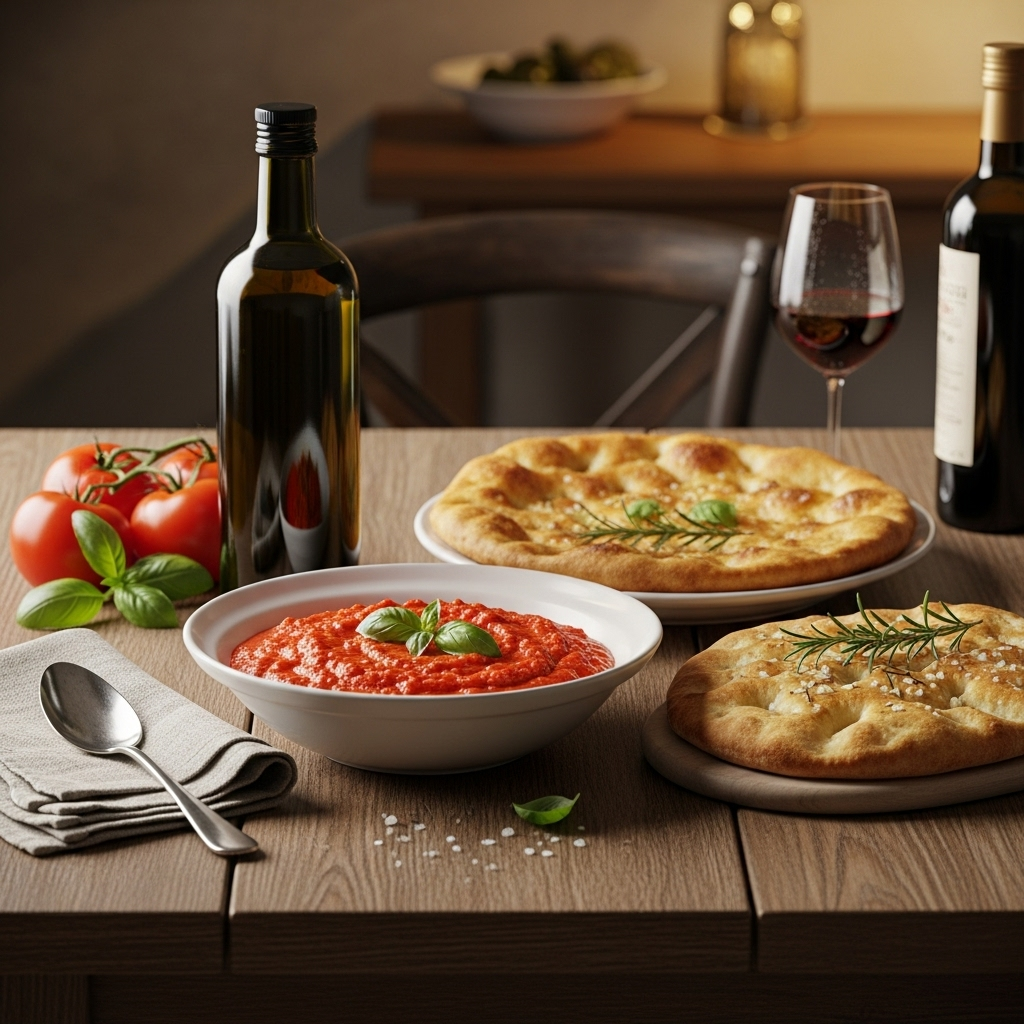
Your Takeaway Value:** When cooking Italian at home, resist the urge to add “just a little more” of everything. Focus on fewer, higher-quality ingredients. A good San Marzano tomato, fresh basil, and excellent olive oil will elevate even the simplest sauce to extraordinary height
# Beyond Pizza & Pasta: A World of Culinary Wonde
While pizza and pasta are stars, they are far from the whole show. Many of Italy’s most cherished dishes are often overlooked by visitors.
• **Risotto:** This creamy, slow-cooked rice dish is a staple in Northern Italy, with countless variations from saffron-infused Milanese to mushroom-packed Porcini.
• **Polenta:** Another northern favorite, this cornmeal dish can be creamy and soft, or firm and grilled, serving as a hearty base for rich stews and sauces.
• **Stews & Braises:** From Tuscan Ribollita (a hearty bread and vegetable soup) to slow-cooked Ossobuco (braised veal shanks), Italians master comfort food.
• **Seafood:** Given Italy’s extensive coastline, fresh seafood is paramount, especially in the south. Think grilled swordfish, fried anchovies, or spaghetti alle vongole (clams).
• **Vegetable Dishes:** The Italian table celebrates vegetables with gusto. Artichokes, asparagus, zucchini, eggplant – prepared simply and deliciously.
Your Takeaway Value:** Be adventurous! When dining in Italy, look beyond the usual suspects. Ask your server for local specialties, or explore the “Secondi” (main courses) and “Contorni” (side dishes) sections of the menu. You might discover your new favorite dis
# Your Next Bite: A Revelation, Not Just a Me
Italian food isn’t just nourishment; it’s a language, a history lesson, and an act of love. It’s about slowing down, savoring, and sharing. It’s about understanding that a simple tomato sauce can tell a story of sun-drenched fields and generations of cooks.
So, the next time you encounter Italian cuisine, I invite you to go beyond the familiar. Ask questions, explore regions, seek out authenticity, and appreciate the artistry of simplicity.
Ready to dive deeper into this incredible culinary journey with me? Follow along as we uncover regional secrets, demystify iconic recipes, and explore the hidden gems of Italy’s diverse food culture!** What regional Italian dish are YOU most curious to explore first? Let me know in the comment