
Beyond the Wok: Unlocking the Soul of Surinamese Nasi
Sizzling, fragrant, and utterly addictive – when you hear “fried rice,” your mind might jump to Chinese takeout or a quick weeknight stir-fry. But what if we told you there’s a world of fried rice out there that’s richer, more complex, and steeped in a fascinating history? Welcome to the vibrant universe of **Surinamese Nasi**.
If you’ve never tasted it, prepare to have your culinary compass re-calibrated. This isn’t just a side dish; it’s a complete meal, a cultural mosaic, and quite possibly, your new favorite comfort food.
# The Melting Pot on Your Plate: Why Surinamese Nasi is Different
Surinam, a small nation on the northeastern coast of South America, boasts an incredible tapestry of cultures – Javanese, Creole, Indian, Chinese, Dutch, and Indigenous. This rich history is nowhere more evident than in its food, and Nasi is the shining star of this culinary fusion.
While it shares its Indonesian roots with *Nasi Goreng*, Surinamese Nasi has evolved into something uniquely its own. It’s less about the fiery kick (though you can add that with *sambal*!) and more about a profound **umami depth**, a delightful **sweet-savory balance**, and an intoxicating aroma that hits you even before the first bite.
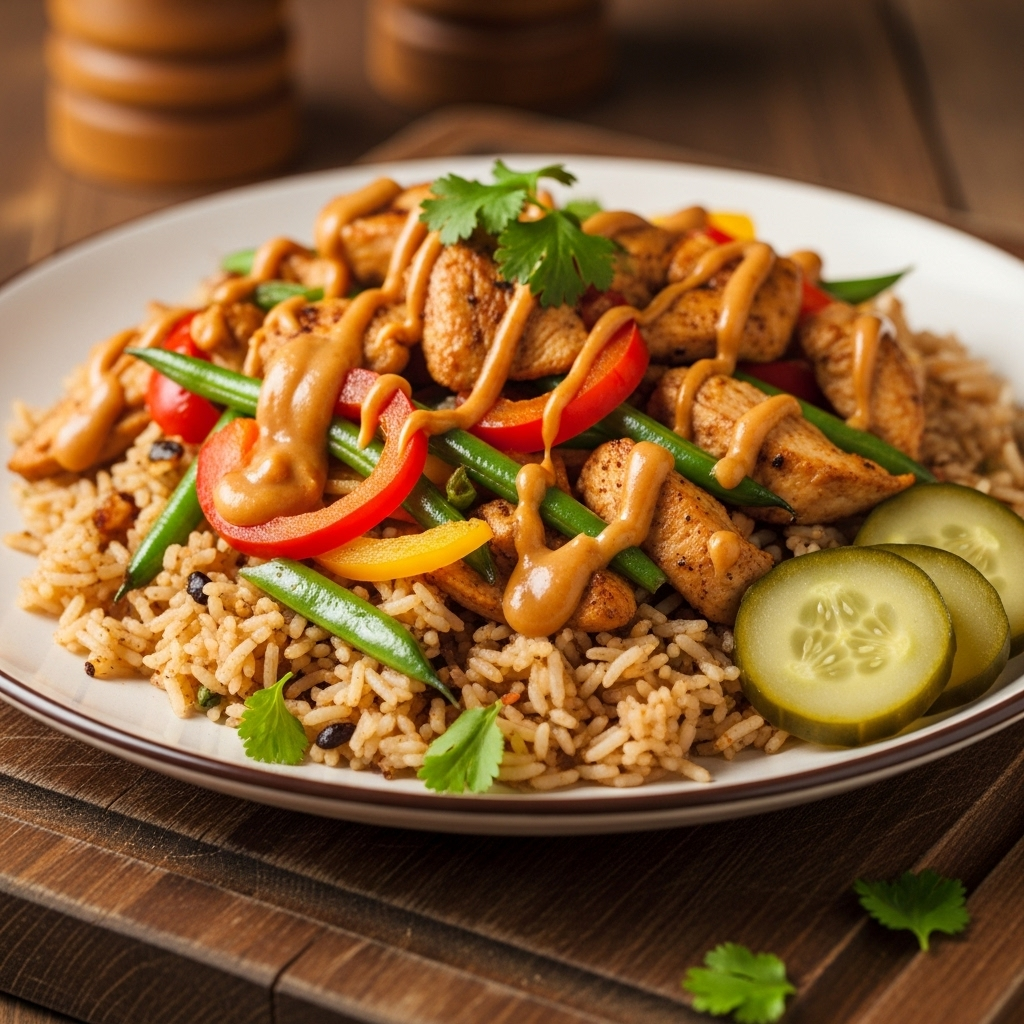
The Secret Weapon? Ketjap Manis.** This thick, sweet Indonesian soy sauce is the heart and soul of Surinamese Nasi. It’s not just for flavor; it lends a beautiful caramel color and a sticky, luscious texture that coats every grain of rice. Paired with aromatic vegetables, tender chicken (often bone-in for extra flavor), and a medley of spices, it creates a dish that’s utterly unforgettabl
# Unlock the Flavor: Real Value for Your Kitch
Ready to embark on this delicious journey? While a full recipe requires precise measurements, here are some key insights and tips that will elevate your Surinamese Nasi game, even before you dive into the specifics:
1. **Day-Old Rice is Non-Negotiable:** This is rule number one for any great fried rice. Freshly cooked rice is too moist and will turn mushy. Cook your rice (preferably long-grain or jasmine) the day before, spread it on a tray to cool, and then refrigerate it overnight. This dries it out, ensuring perfectly separate, fluffy grains.
2. **Embrace the Ketjap Manis:** As mentioned, this is the star. Don’t substitute it with regular soy sauce and sugar; the depth of flavor is simply not comparable. You can find it at most Asian grocery stores or online. It’s worth seeking out!
3. **Layer Your Aromatics:** Start with a good base of finely minced garlic, onions, and often a touch of fresh ginger and *trassi* (fermented shrimp paste – optional but adds incredible depth). Sauté these until fragrant before adding your chicken and vegetables. This builds the foundational flavors.
4. **Don’t Overcrowd the Pan:** Work in batches if necessary. An overcrowded pan steams the ingredients instead of frying them, preventing that beautiful caramelization and development of flavor.
5. **The Full Experience:** Surinamese Nasi is typically served with an array of delicious accompaniments. Think a fried egg (sunny-side up!), slices of fresh cucumber and tomato, a dollop of fiery *sambal*, and sometimes even a side of chicken satay or fried plantains. These additions complete the meal and truly transport you.
Surinamese Nasi isn’t just food; it’s an experience. It’s a testament to how different cultures can blend to create something utterly unique and incredibly delicious. It’s comfort, history, and an explosion of taste all on one plate.
—
Ready to discover more hidden culinary gems and elevate your home cooking?
Don’t miss another delicious story, expert tip, or unique recipe from around the globe. **Hit that ‘Follow’ button** on Recipse now and join our community of passionate food explorers! Your next favorite dish is just a click away.