From Delicious to Dazzling: Unlock the Art of Gourmet Plating at Home
You’ve spent hours perfecting that recipe. The aromas fill your kitchen, promising a feast. You carefully spoon your masterpiece onto a plate… and it’s delicious, absolutely! But does it look like it just stepped out of a Michelin-starred restaurant, or more like a very tasty (but shapeless) blob?
If your answer is closer to the latter, you’re in good company. Many home cooks pour their heart into flavor, only to stumble at the final visual flourish. But what if I told you that transforming your home-cooked meals into stunning, Instagram-worthy dishes isn’t nearly as intimidating as it sounds?
Forget complicated chef tools or years of culinary school. The “secret” to gourmet plating at home lies in a handful of simple, impactful techniques that anyone can master. Ready to elevate your everyday meals and impress your guests (and yourself!) without breaking a sweat? Let’s dive in.
—
# Your Five-Star Plating Playbook: Simple Secrets to St
Plating is more than just arranging food; it’s telling a story. It’s about creating anticipation, enhancing the dining experience, and making your food look as good as it tastes. Here are some actionable tips to get you started:
## **1. The Canvas is Key (and Often White!)
• **Embrace Simplicity:** Your plate is the stage. White or neutral-colored plates allow your food’s colors to pop without distraction. Think clean lines and simple designs.
• **Think Negative Space:** Don’t overcrowd the plate. Leave some empty space around your food. This creates elegance and allows each component to breathe, making the dish feel more refined and deliberate.
## **2. Build with Intention (The Rule of Odds & Focal Points)
• **The Rule of Odds:** Odd numbers are visually more appealing than even numbers. Instead of two meatballs, try three. Three asparagus spears often look better than two or four.
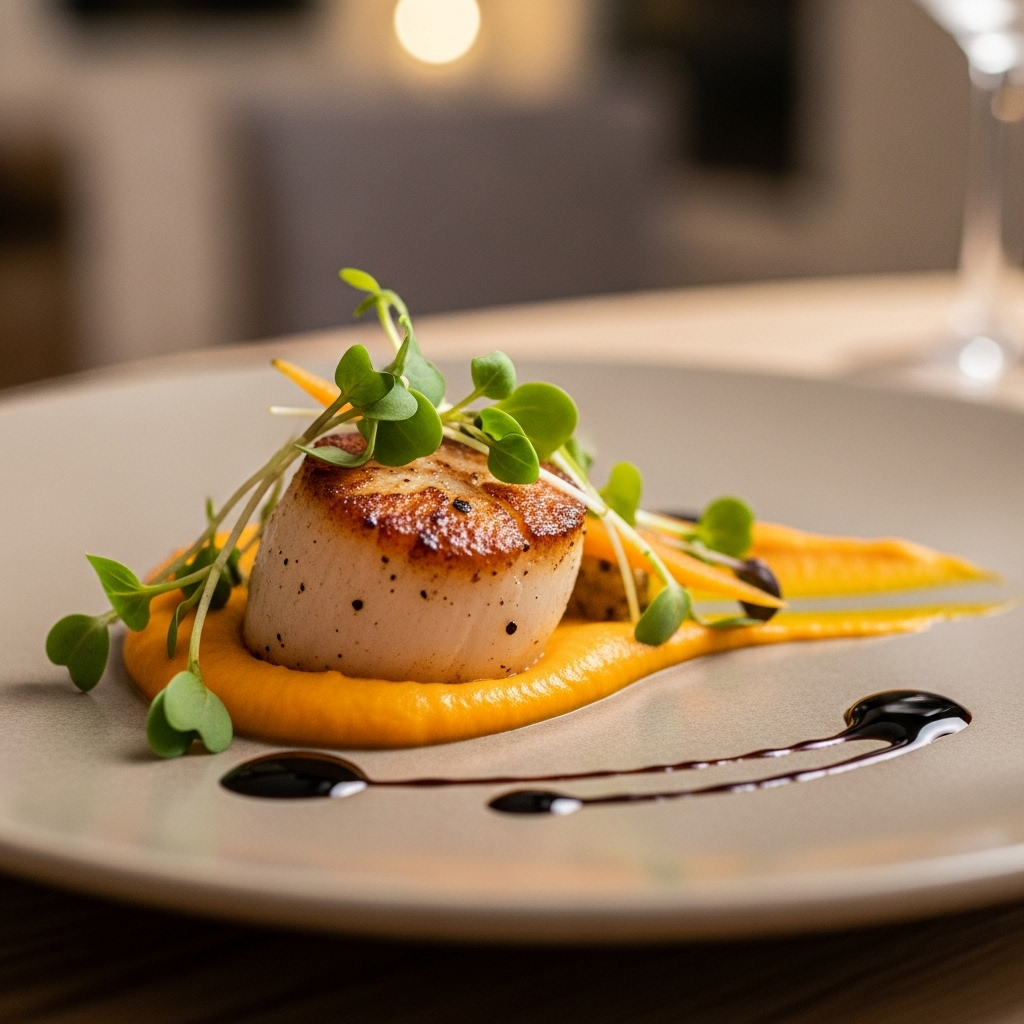
• **Create a Focal Point:** Decide what your star ingredient is (usually the protein) and build around it. Place it slightly off-center for a more dynamic composition. Imagine a clock face – placing your main item between 6 and 9 o’clock often works well.
• **Layer Up:** Don’t just dump everything flat. Think about adding layers. A slice of perfectly cooked chicken might sit on a bed of pureed parsnips, with roasted vegetables leaning artfully beside it.
## **3. Reach for the Sky (Add Height & Texture Contrast)
• **Stack it Up:** Give your food some lift! Stacking ingredients (think polenta topped with braised short rib, crowned with fresh herbs) creates visual interest and depth. Use rings or cookie cutters for perfectly formed bases of grains or mashed vegetables.
• **Play with Textures:** A dish with varying textures is more exciting to eat, and it’s visually appealing too. Contrast soft purees with crunchy nuts, crispy fried shallots, or fresh raw herbs. This adds a dynamic element that catches the eye.
## **4. A Splash of Color (and a Pinch of Freshness!)
• **Garnish is Not an Afterthought:** A vibrant sprig of fresh herbs (parsley, cilantro, dill), a sprinkle of finely chopped chives, a lemon zest curl, or a few edible flowers can transform a dish. They add freshness, brightness, and a burst of color.
• **Consider Contrast:** If your dish is mostly one color (e.g., a brown stew), think about a contrasting pop – bright green chives, red chili flakes, or a dollop of crème fraîche.
## **5. The Art of the Drizzle (Sauce as Paint)
• **Less is More:** Sauce can be a powerful plating tool, but don’t drown your food. Use it strategically.
• **Techniques:**
* **Swoosh:** A spoon dragged artfully across the plate with a dollop of sauce.
* **Dots:** Small, deliberate dots around the main components, often with different sauces for color and flavor.
* **Drizzle:** A thin stream over the main component.
• **Tools:** A squeeze bottle (even a clean, empty condiment bottle) gives you precise control, but a simple spoon can create beautiful effects too.
## **Don’t Forget the Finishing Touch:
• **Cleanliness is Key:** Before serving, take a clean paper towel or cloth and wipe away any stray drips, fingerprints, or smudges from the rim of the plate. A sparkling clean plate enhances the entire presentation.
—
# Why Bothe
You might be thinking, “This sounds like extra work! My food tastes great as is.” And you’re right, flavor is king! But plating is about the *entire* dining experience. It’s about showing care, igniting the appetite with your eyes before the first bite, and making a meal feel truly special. It tells your diners, “I cared enough to make this beautiful for you.”
You don’t need to overthink it or buy fancy gadgets. Start with one or two tips, like simply leaving negative space or adding a fresh herb garnish. You’ll be amazed at the difference it makes.
So, next time you’re cooking, pause before you serve. Look at your ingredients as an artist looks at their palette. Have fun, experiment, and let your culinary creations truly shine!
—
Ready to unlock more kitchen secrets and culinary inspiration?
Follow us now** for daily tips, delicious recipes, and behind-the-scenes peeks at how we make our home cooking look gourmet! What’s your favorite plating hack? Share it in the comments belo