Unlock the Magic: Your Essential Gluten-Free Baking Secrets Revealed!
Ever pulled a gluten-free loaf from the oven, heart full of hope, only to find it’s a dense brick, a crumbly mess, or dry enough to qualify as a desert? You’re not alone. For many, gluten-free baking feels less like an art and more like a mysterious, unpredictable science experiment gone awry.
But what if I told you the secret to truly delicious, perfectly textured gluten-free baked goods isn’t magic, but understanding a few fundamental principles? It’s time to ditch the frustration and embrace a world where your gluten-free cakes are moist, your cookies chewy, and your breads gloriously soft.
Today, we’re pulling back the curtain on the real “secrets” that professional gluten-free bakers swear by. Get ready to transform your kitchen!
—
# **The 5 Game-Changing Gluten-Free Baking Secrets You Need to Know:
1. The Power of the Blend: Your Flour is Not a Monolith
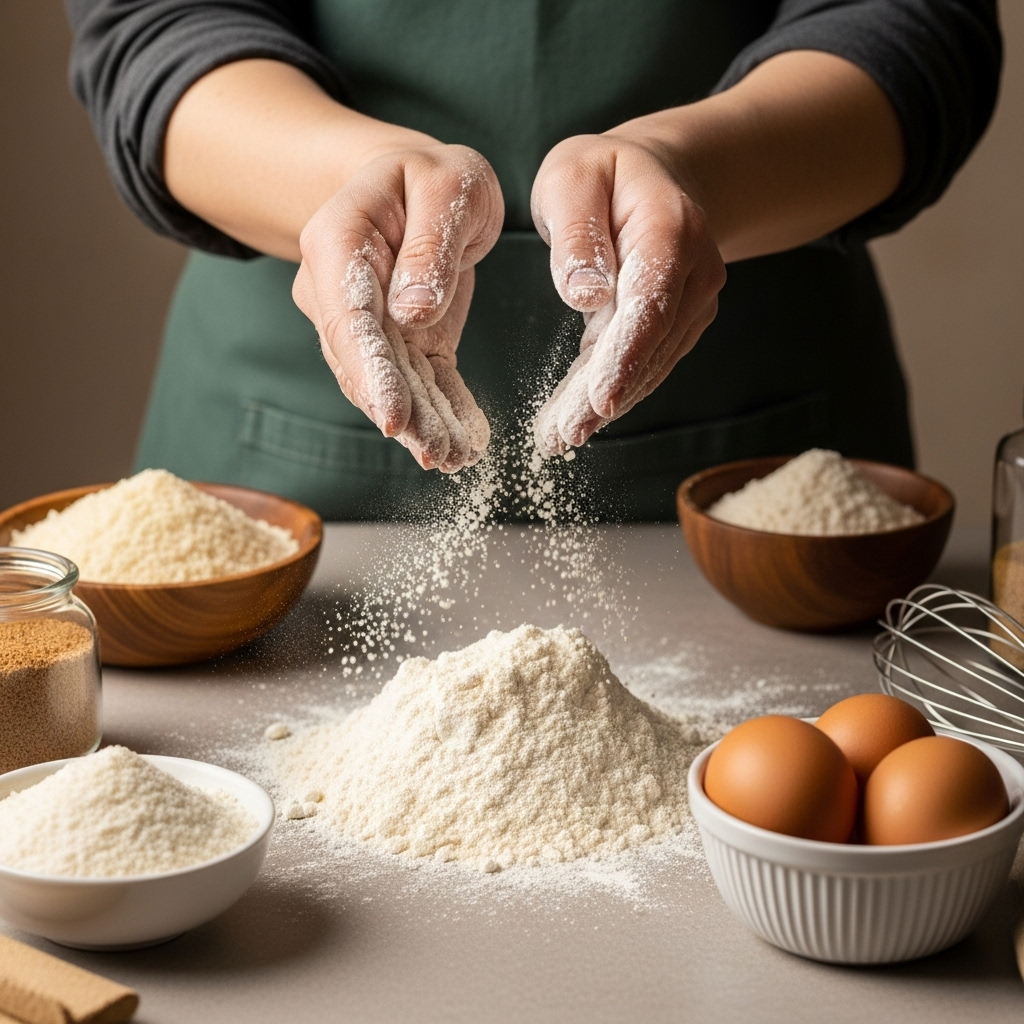
This is perhaps the most crucial secret. Unlike wheat flour, which contains gluten (the protein network that gives structure and elasticity), no single gluten-free flour can replicate its properties on its own. Relying on just one GF flour almost guarantees a disappointing result.
• **The Value:** Think of gluten-free flour as a team. You need starches (tapioca, potato, corn) for tenderness and chew, protein flours (almond, sorghum, oat, buckwheat) for structure and flavour, and often a whole grain flour (brown rice, millet) for fibre and nutrition. A balanced blend creates a texture that mimics gluten’s stretchy elasticity.
• **Actionable Tip:** Start with a high-quality, pre-made gluten-free all-purpose blend. Once you’re comfortable, experiment with creating your own blends to fine-tune textures and flavours for specific recipes.
2. Binders are Your Best Friend (Hello, Xanthan Gum & Psyllium Husk!)
Since there’s no gluten to hold everything together, you need a substitute. This is where binders come in, acting as the “glue” that prevents your baked goods from crumbling into oblivion.
• **The Value:** Xanthan gum, guar gum, and psyllium husk powder are the unsung heroes of GF baking. They provide elasticity, structure, and prevent your creations from falling apart.
• **Actionable Tip:** A little goes a long way! Typically, you’ll use about 1/2 to 1 teaspoon of xanthan gum per cup of gluten-free flour blend for cakes and cookies, and slightly more (1.5-2 teaspoons) for yeasted breads. Psyllium husk (often used in whole grain breads) can create a wonderfully chewy texture – just be sure to hydrate it!
3. Hydration is Your Hallelujah (Don’t Be Shy with Liquids!)
Gluten-free flours, especially rice and sorghum, are incredibly thirsty. They absorb significantly more liquid than traditional wheat flours. If your baked goods are dry, a lack of moisture is often the culprit.
• **The Value:** More moisture means a softer crumb, better texture, and a longer shelf life. Don’t be afraid to adjust!
• **Actionable Tip:** If a recipe calls for milk, consider using buttermilk, yogurt, or even a plant-based milk with a bit of apple cider vinegar (to mimic buttermilk). Adding extra fat (oil, butter, or even fruit purées like applesauce or mashed banana) can also boost moisture. Always check the consistency – your GF batter should often be a bit looser than a traditional one.
4. Patience, Young Baker: Rest & Don’t Rush the Bake
We live in a fast-paced world, but gluten-free baking rewards patience. Two areas where patience pays off:
• **The Value – Resting:** Giving your gluten-free dough or batter a short rest (15-30 minutes) before baking allows the flours to fully hydrate and the binders to work their magic. This leads to a smoother texture and less grittiness.
• **The Value – Baking Low & Slow:** GF baked goods can take longer to cook through than their gluten-containing counterparts, but they also burn easily. Baking at a slightly lower temperature for a bit longer ensures even cooking without over-browning the exterior.
• **Actionable Tip:** For breads, let your dough proof until it’s noticeably risen and feels light. For cakes and muffins, insert a toothpick – it should come out with moist crumbs, not wet batter.
5. Precision Matters: Weigh Your Way to Success
Baking is a science, and gluten-free baking is even more so. Small variations in ingredient amounts can have a big impact.
• **The Value:** Measuring by weight (grams) is far more accurate than by volume (cups), especially for flours, which can pack down differently. This consistency ensures repeatable results.
• **Actionable Tip:** Invest in a digital kitchen scale. It’s an inexpensive tool that will revolutionize your baking accuracy and consistency. Also, ensure your ingredients (especially eggs and butter) are at room temperature unless otherwise specified – this helps them emulsify better, creating a smoother, more uniform batter.
—
# Ready to transform your gluten-free baking from frustrating to fantasti
These secrets aren’t just tips; they’re the foundation for consistent, delicious results. Don’t let past failures deter you – every bake is a new opportunity to create something wonderful.
What’s *your* biggest gluten-free baking challenge, or your go-to success story? Share it in the comments below!
And if you loved these tips and want to unlock more culinary wisdom, hit that **Follow** button! We’ve got plenty more recipes, behind-the-scenes magic, and gluten-free goodness coming your way. Happy baking!